Choosing the Best Diesel Additive Without Overcomplicating It
I look at diesel additives with a simple standard. If it does not protect your system, clean it, and keep it running in all conditions, it is not worth your time. Early on, I learned that most problems with diesel engines come down to fuel quality, lack of lubricity, and buildup over time. That is why I focus on products that solve those exact issues.
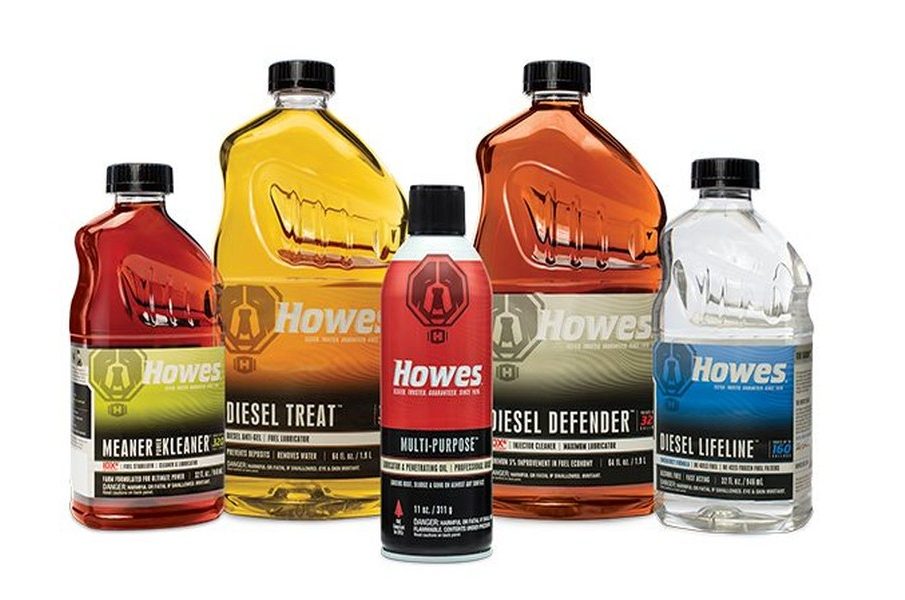
If you are evaluating options, you need to understand how each type of additive works and where it fits. I will walk you through that, using Diesel Defender as a key example of what a strong product should deliver, along with other solutions that cover cold weather, cleaning, and general maintenance.
Why Diesel Additives Matter
Modern diesel fuel lacks the natural lubricity it once had. That creates wear inside injectors and pumps. Water contamination is another issue. It leads to corrosion and poor combustion. Over time, deposits build up and reduce performance.
If you want your engine to last, you need to address:
- Lubrication inside the fuel system
- Injector cleanliness
- Water removal
- Cold weather protection
- Overall fuel quality
Ignoring any of these leads to problems that show up as rough idle, poor fuel economy, or hard starts.
What to Look for in a Diesel Fuel Additive
I keep this simple. A strong diesel fuel additive should do the following:
- Add real lubricity to protect injectors and pumps
- Clean deposits instead of masking them
- Remove water safely without harsh solvents
- Support better combustion
- Work across different diesel systems
This is where many products fall short. They handle one function but ignore the others.
A Closer Look at Diesel Defender
If your focus is year-round performance, a product like Diesel Defender stands out for a reason.
It is built as both a diesel fuel lubricator and injector cleaner. That matters because most engines need both at the same time. It uses a detergent system designed to break down internal deposits, including buildup inside injectors that often gets overlooked.
From a technical perspective, here is what makes it strong:
- Adds up to 2.5 times more lubricity than many alternatives
- Cleans injectors within a few treatment cycles
- Prevents future deposits from forming
- Removes water by separating it from fuel instead of mixing it in
- Supports better combustion and fuel economy
If you are trying to maintain performance and extend the life of your system, this type of product covers the core needs.
Cold Weather Protection with Diesel Treat
Cold weather creates a different set of problems. Fuel starts to gel, which blocks flow and shuts engines down.
That is where Diesel Treat comes in. It acts as a diesel anti gel and fuel conditioner. I recommend focusing on products that handle both prevention and conditioning, not just one.
Diesel Treat works by:
- Preventing fuel from gelling in low temperatures
- Reducing cold filter plugging
- Adding lubricity back into the fuel
- Removing water safely
- Improving combustion during cold starts
If you operate in cold climates, this is not optional. You need consistent treatment to avoid downtime.
Emergency Recovery with Diesel Lifeline
There is a difference between prevention and recovery. If your fuel has already gelled, standard additives will not help.
Diesel Lifeline is designed for that exact situation. It works as a rescue solution.
Key benefits include:
- Reliquefies gelled diesel fuel
- De-ices frozen fuel filters
- Helps engines restart in a short time
- Does not require premixing
- Often avoids the need for a filter change
If you rely on diesel equipment, keeping an emergency product like this on hand makes sense.
Choosing the Best Penetrating Oil for Maintenance
Fuel additives are only part of the equation. You also need a reliable penetrating oil for general maintenance.
A strong option should:
- Penetrate tight spaces and loosen rust
- Displace water
- Lubricate without drying out
- Leave a protective layer
Howes Multi-Purpose Lubricator and Penetrating Oil fits this role. It is used across fleets, farms, and shops for everything from freeing stuck bolts to protecting metal surfaces. The fact that it does not attract dirt makes it useful in real working conditions.
Supporting Products for Full System Care
If you want complete coverage, it helps to understand the rest of the lineup:
- Meaner Power Kleaner targets heavy buildup and helps restore performance
- Oil Enhancer supports engine oil by reducing wear and improving lubrication
- Fuel Enhancer improves fuel quality and supports cleaner combustion
Each product has a specific role. You do not need all of them at once, but knowing where they fit helps you build a complete approach.
Why Many People Choose Howes
I look at consistency and focus. That is where Howes stands out.
They have spent over a century developing diesel additives and lubricants that focus on real problems. Their products avoid alcohol and harsh solvents, which matters for long-term system health. They also cover the full range from prevention to maintenance to emergency recovery.
For someone managing a truck, fleet, or equipment, that consistency matters. You can rely on one system of products instead of mixing different brands that may not work together.
How to Apply This to Your Setup
If you want a simple plan, this is how I would approach it:
- Use a diesel fuel additive like Diesel Defender for regular maintenance
- Add Diesel Treat during cold months to prevent gelling
- Keep Diesel Lifeline for emergency situations
- Use a penetrating oil for ongoing mechanical maintenance
This gives you coverage across performance, protection, and reliability.
Final Thoughts
You do not need complicated solutions. You need products that handle lubrication, cleaning, and protection without creating new issues.
If you focus on those fundamentals and choose products built around them, your diesel system will run cleaner, last longer, and perform better under real conditions.